Signs Your Brakes Need Immediate Attention
Warning Symptoms You Should Never Ignore
At Bovan’s Auto Services, we often remind drivers that brakes are not a system you can afford to guess about. Unlike other vehicle components that may fail gradually, brake issues can escalate quickly and compromise your ability to stop safely. For drivers in Cliffside Park, NJ, recognizing early warning signs is one of the most effective ways to prevent accidents, avoid costly repairs, and maintain confidence behind the wheel.
Brake systems are designed to wear over time, but they also communicate when something is wrong. The challenge is knowing which signals require immediate attention and which ones indicate normal wear. Understanding these warning signs empowers drivers to act early instead of reacting after performance has already been compromised.
Why Brake Problems Should Never Be Ignored
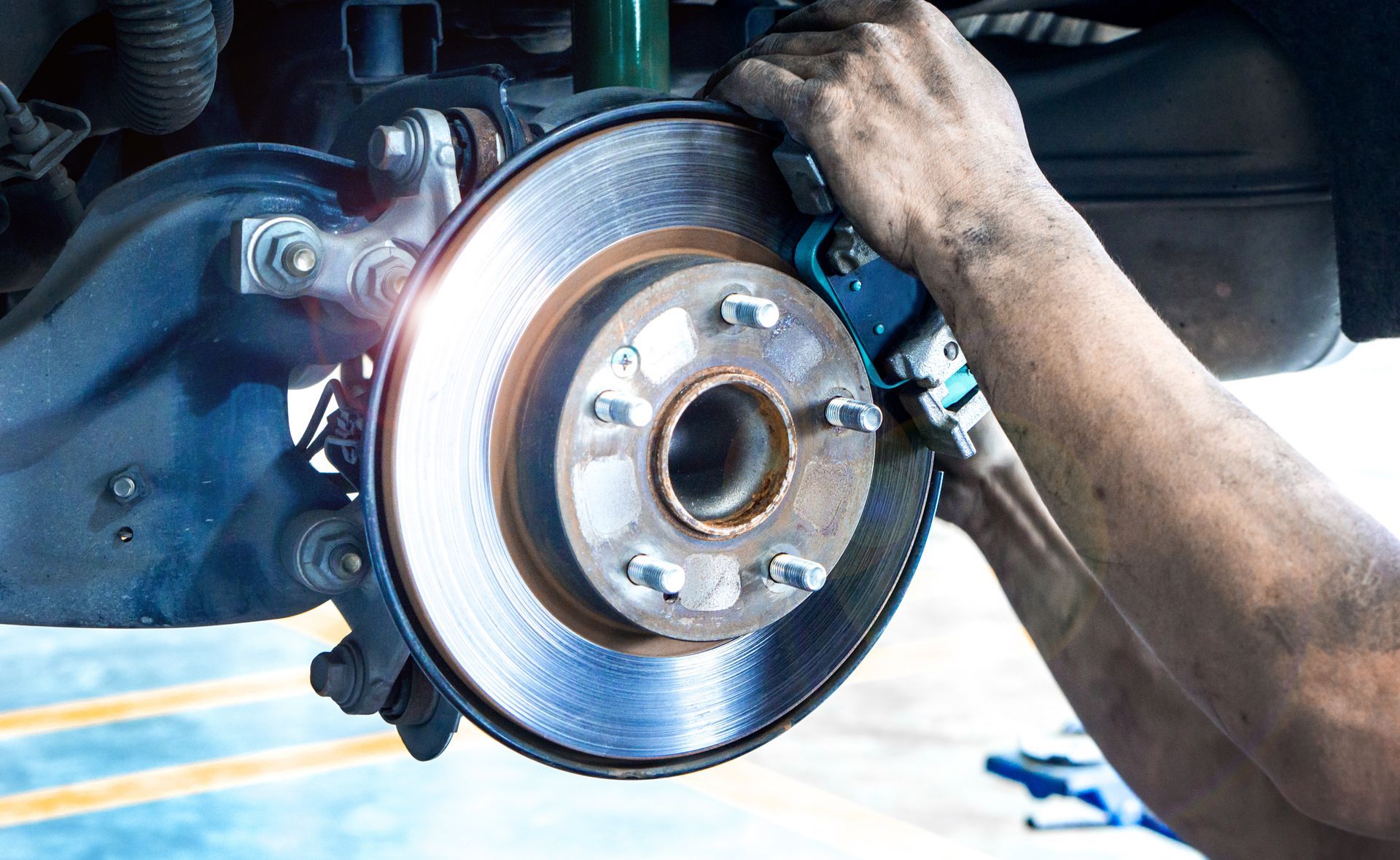
Your braking system works through friction and hydraulic pressure. Every time you slow down or stop, brake pads press against rotors to create resistance. Over thousands of miles, that friction causes predictable wear. When service is delayed, worn components place stress on surrounding parts, increasing repair costs and reducing safety margins.
Ignoring brake symptoms does not make them go away. It allows wear to progress unchecked, often leading to rotor damage, caliper issues, or reduced stopping power. Addressing brake concerns early keeps repairs simpler and protects the integrity of the entire system.
Squealing or Screeching Noises When Braking
One of the most common brake warning signs is noise. High-pitched squealing often indicates worn brake pads. Many pads are designed with wear indicators that create noise once material reaches a critical thickness. This sound is not meant to be annoying; it is an intentional warning.
Grinding noises are more serious. Grinding usually means the brake pad material is fully worn and metal components are contacting the rotor. At this stage, damage is already occurring, and continued driving can quickly increase repair costs. Any persistent brake noise should be inspected promptly to prevent further damage.
Vibration or Pulsation While Braking
If you feel shaking or pulsation through the brake pedal or steering wheel when slowing down, it often points to rotor issues. Rotors can become uneven due to heat buildup or extended wear. When rotors are no longer flat, braking force becomes inconsistent.
Vibration is more than a comfort issue. It reduces braking efficiency and can affect steering stability. In many cases, addressing the issue early may allow for resurfacing rather than full replacement. Waiting too long often eliminates that option.
Longer Stopping Distances
A noticeable increase in stopping distance is one of the most critical warning signs. If your vehicle takes longer to stop than it used to, braking efficiency has already been compromised. This can be caused by worn pads, glazed rotors, contaminated brake fluid, or hydraulic issues.
Even small increases in stopping distance can have serious consequences in traffic or emergency situations. Brake systems are engineered to deliver consistent performance, and any reduction should be evaluated immediately.
Brake Pedal Feels Soft or Spongy
A soft or spongy brake pedal often indicates hydraulic problems. Brake systems rely on pressurized fluid to transfer force from the pedal to the braking components. If air enters the system or fluid becomes contaminated, that pressure is reduced.
This symptom should never be ignored. A soft pedal can worsen quickly and may lead to partial or complete brake failure. Brake fluid condition and system integrity should be evaluated as soon as this feeling is noticed.
Pulling to One Side While Braking
If your vehicle pulls left or right when braking, it may indicate uneven braking force. This can result from sticking calipers, uneven pad wear, or contaminated components. Pulling reduces control and increases stopping distance.
Uneven braking not only affects safety but also accelerates wear on tires and suspension components. Addressing the root cause early helps restore balanced braking and protects related systems.
Brake Warning Light Is On
Modern vehicles monitor brake system performance electronically. When a brake warning light appears, it signals that the system has detected a condition requiring attention. This may involve pad wear, fluid level issues, or electronic braking components.
Warning lights should never be dismissed or reset without proper diagnosis. They are designed to alert drivers before performance is significantly affected. A professional inspection ensures the underlying issue is addressed correctly.
Burning Smell After Braking
A burning smell following braking, especially after driving downhill or in heavy traffic, can indicate overheating brakes. Excessive heat reduces friction and can cause brake fade, where stopping power decreases dramatically.
Occasional heat smell after extreme use may be normal, but repeated occurrences indicate a problem. Overheating can damage pads, rotors, and fluid, making early inspection critical.
How Driving Habits Affect Brake Wear
Brake wear is influenced heavily by driving style. Frequent hard braking, stop-and-go traffic, and heavy loads accelerate wear. Short trips where brakes do not fully warm up can also contribute to uneven wear patterns.
Understanding how your habits impact brake life allows for better maintenance planning. Regular inspections help identify wear trends early, allowing drivers to adjust driving habits or service schedules accordingly.
Why Early Brake Service Saves Money
Addressing brake issues early is almost always more cost-effective. Replacing worn pads before they damage rotors is significantly less expensive than replacing multiple components. Early service also reduces labor time and prevents collateral damage.
Beyond cost, early service preserves performance. Well-maintained brakes respond predictably and deliver consistent stopping power, enhancing driver confidence and safety.
The Role of Professional Brake Inspections
Brake systems are complex and require precise measurement. Visual checks alone are not enough. Pad thickness, rotor condition, caliper movement, fluid quality, and hydraulic pressure all play a role in braking performance.
Professional inspections provide a complete picture of system health. They allow us to distinguish between normal wear and developing problems, giving drivers clarity instead of guesswork.
Staying Ahead of Brake Problems
Brakes rarely fail without warning. They communicate through sound, feel, and performance changes. Paying attention to these signals and acting early is the most effective way to maintain safety.
For drivers in Cliffside Park, NJ, staying proactive with brake care means fewer surprises, lower repair costs, and safer driving experiences. Brake systems reward attention and punish neglect. Recognizing that difference is the first step toward responsible vehicle ownership.